
Wild Animals
Whether they crawl, fly, swim, slither, walk, run or pounce, wild animals rely on their instincts. Read about all kinds of wild animals, mammals, birds, fish, insects, reptiles and amphibians.
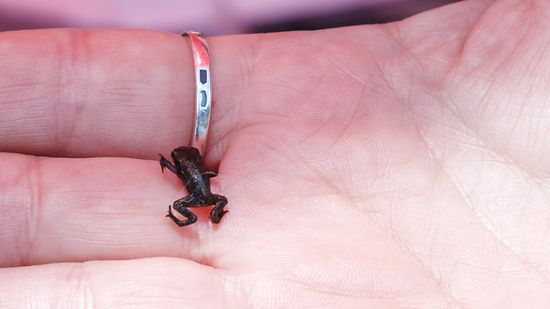
The Smallest Frog Is Smaller Than Your Fingernail
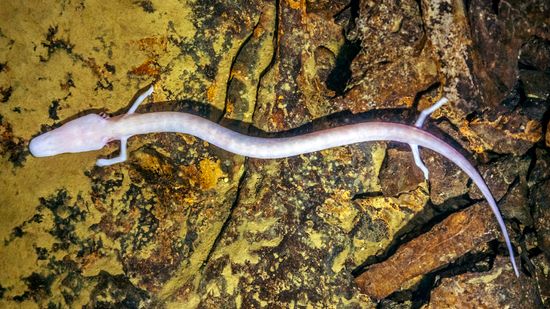
The Eyeless Olm Lives Underground and Underwater
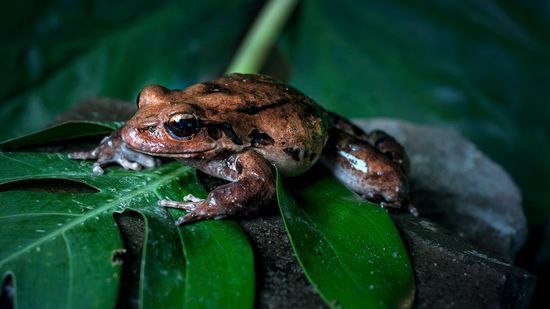
The Mountain Chicken Is Actually an Endangered Frog
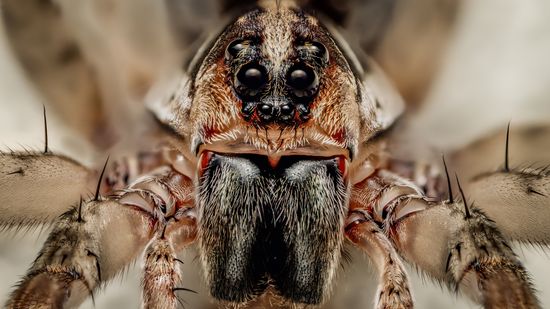
What Is a Group of Spiders Called? (Aside From Icky)
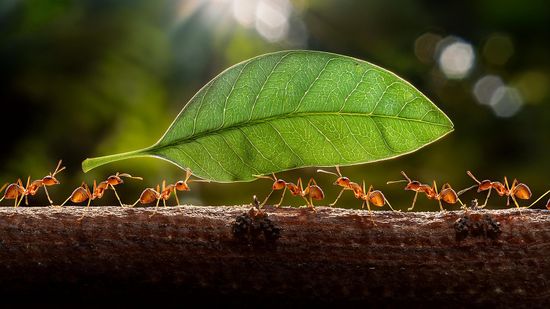
What Is a Group of Ants Called? Army vs. Colony vs. Swarm
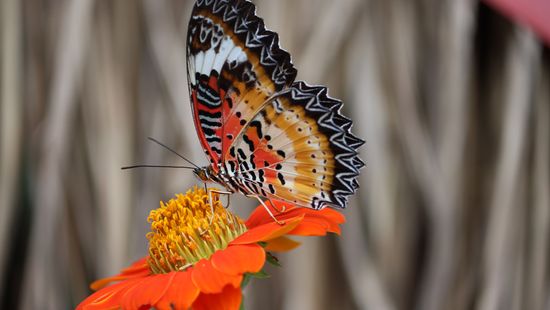
10 Red Butterfly Species Found From India to Florida to Europe
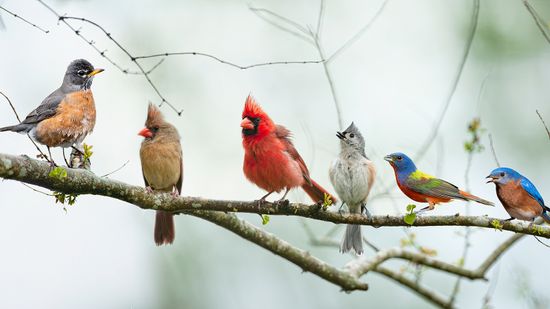
What Is a Group of Robins Called? Hope You're Not Expecting to Be Dazzled
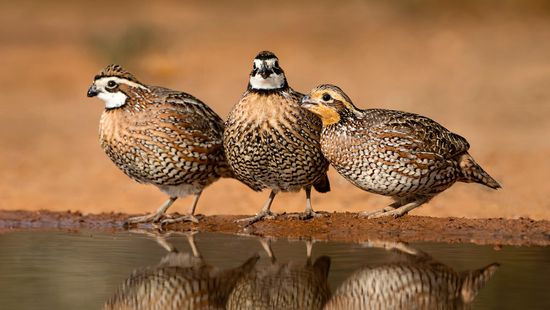
What Is a Group of Quail Called? Why You Should Give a Flock

What Is a Group of Hawks Called? It's About the Shape They Take in Flight
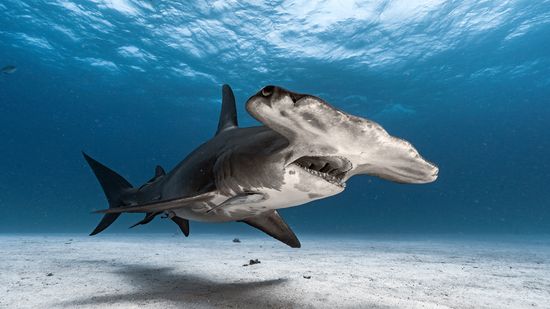
10 Rare Sharks Lurking in the Deep Blue
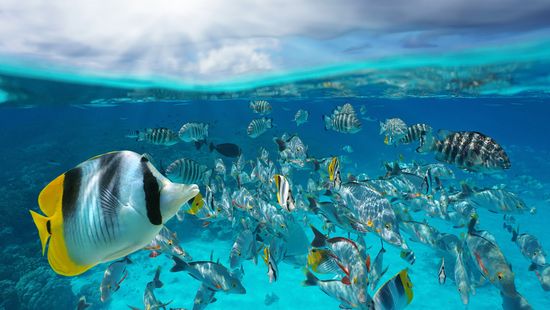
What Is a Group of Fish Called? Not Always a School
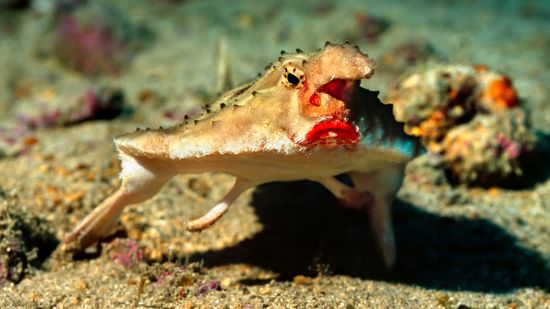
10 Weirdest Fish in the World: Batfish, Hairy Frogfish, and More
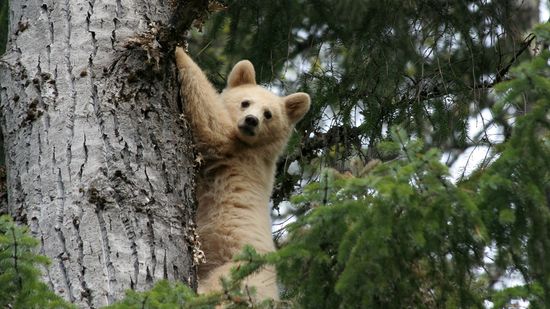
This Spirit Bear Is Neither Albino Nor a Polar Bear
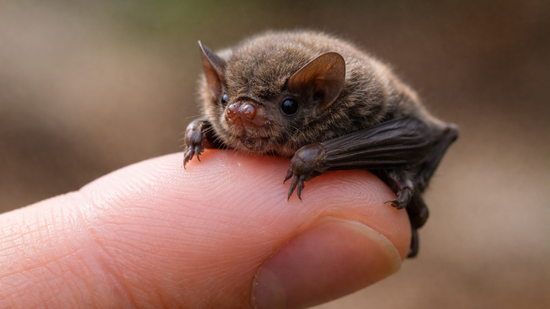
The Smallest Bat in the World Is the Size of a Bumblebee
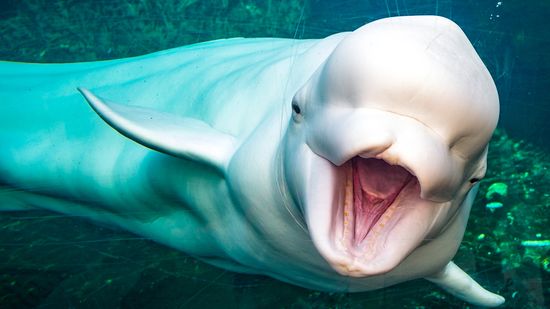
The White Whale Whistles and Clicks—Not Your Typical Whale Song
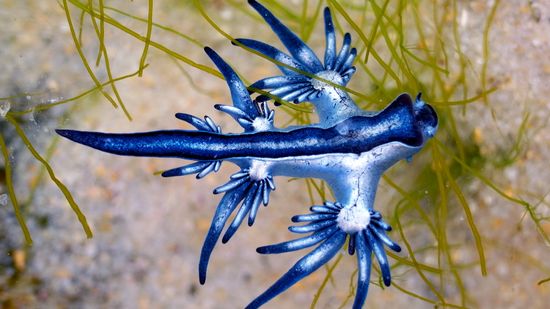
The Blue Dragon Sea Slug Eats Venomous Prey and Saves the Stingers for Later
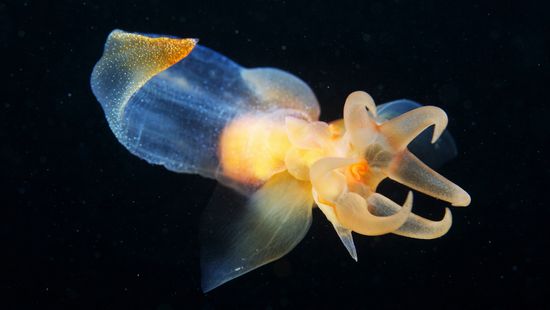
The Sea Angel Looks Like a Pixar Character Until It Attacks
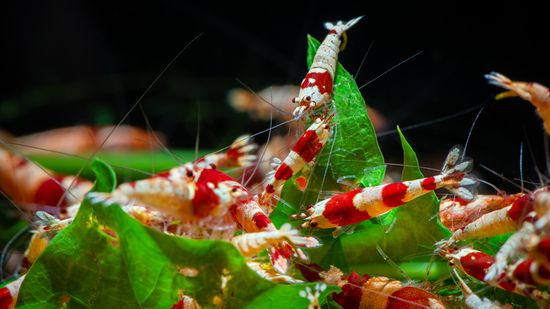
What Is a Group of Shrimp Called? (Hint: You'd Use the Term for Bugs)
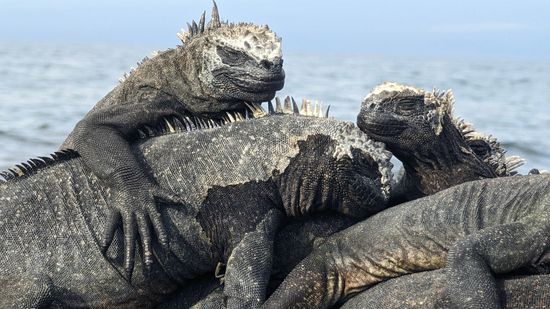
What Is a Group of Lizards Called? Not a Colony or a Pile but a...
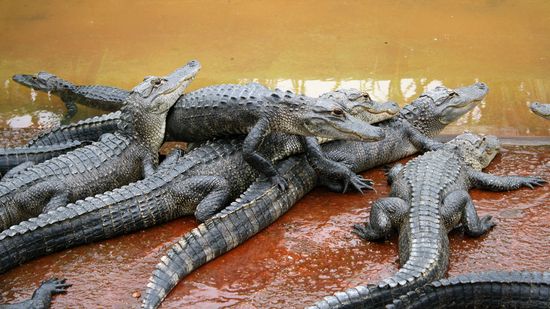
What Is a Group of Alligators Called? It Sounds Surprisingly Formal
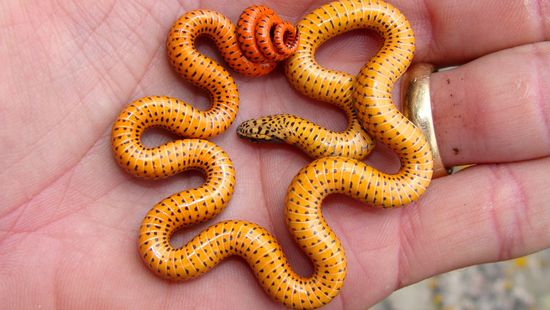
10 Cutest Snake Species That Have Us Squeeing
Learn More / Page 44
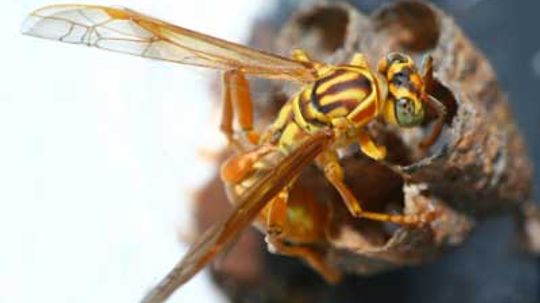
Despite the fact you'll never find anything called "wasp honey," wasps perform a vital service by helping to pollinate the world's plant life -- and eliminate various six- and eight-legged pests.
By Robert Lamb
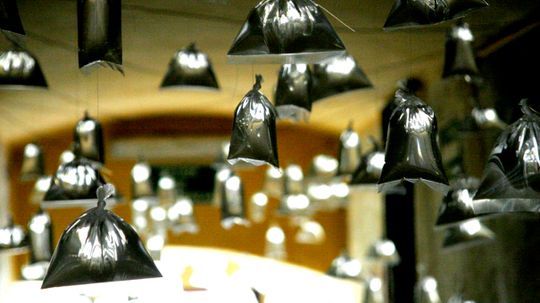
Have you ever seen a water bag hanging in a restaurant? It's not a design trend - some people say the bags repel flies. Does this method hold water?
By Robert Lamb
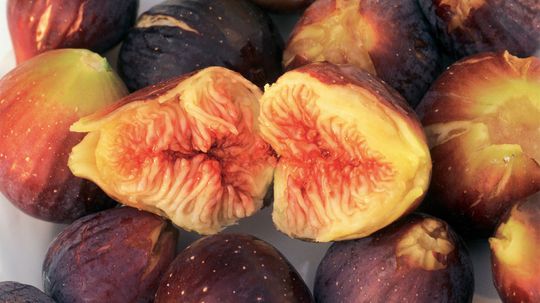
If you're snacking on fig bars, make sure to check the nutritional content for wasps. Wasps risk their lives to provide enough figs to satisfy every fruit- and cake-related craving.
By Robert Lamb
Advertisement
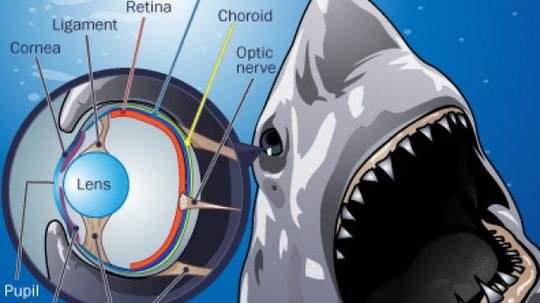
You don't reign supreme over the marine food chain without acute senses that can smell blood or hear injured prey from great distances. And sometimes a "sixth sense" doesn't hurt either.
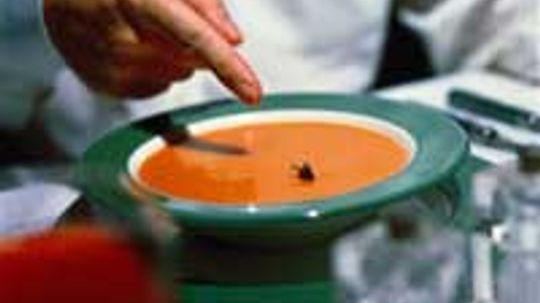
Swat it, smash it, spray it. It's tough to get rid of the world's most annoying roommate: the housefly. But at least the housefly won't steal your food -- whoops, never mind.
By Robert Lamb
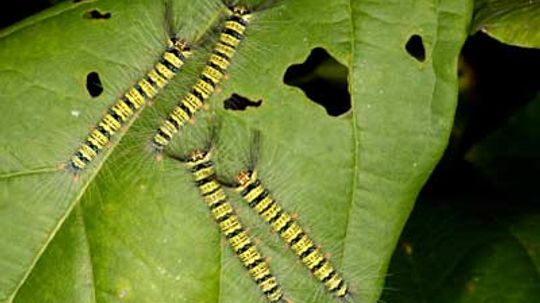
A caterpillar spends its life eating -- foliage, some animals like ants and snails, and even its own skin it previously shed. What do caterpillars do with all of this stored up food? And why do they use their waste as projectiles?
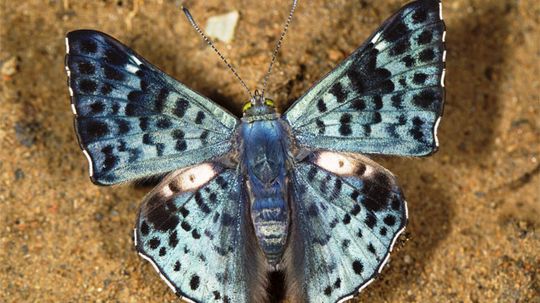
The difference between butterflies and moths is a lot like the difference between frogs and toads. There are some rules of thumb you can follow to tell them apart, but there are also exceptions to those rules. So how do you tell the difference?
Advertisement
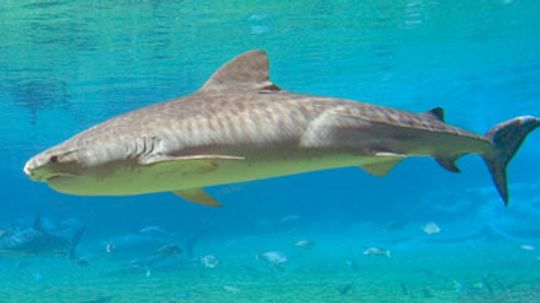
Have you ever been so hungry that you could eat anything? How about a hubcap? Or maybe a suit of armor? If you said "yes," you might have something in common with the second deadliest shark.
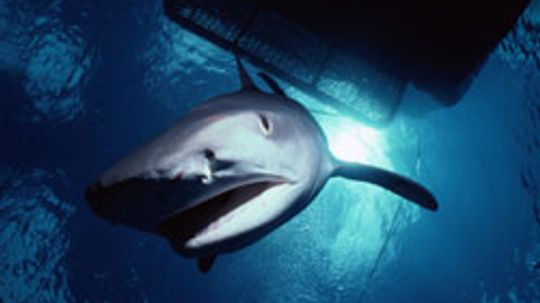
Sharks are an intelligent and sometimes dangerous species of saltwater fish. Learn more about these often feared, often misunderstood creatures of the deep in this gallery.
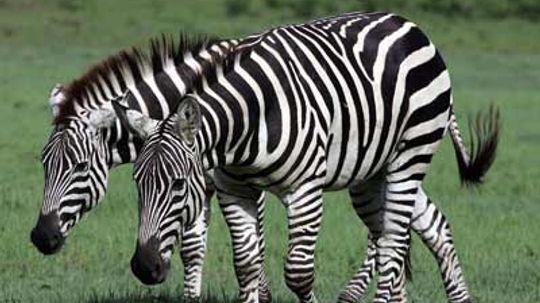
I've heard that the black and white stripes on a zebra provide camouflage. How can this be if they're not in a black-and-white environment?
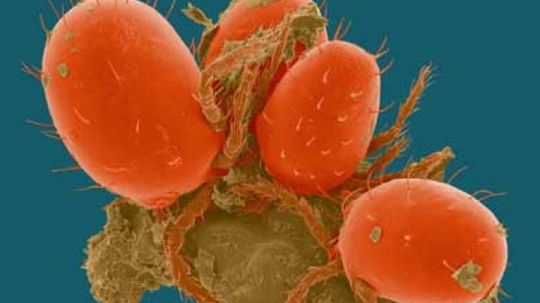
If you have ever been out in the woods or an open field in spring, summer or fall, you may have gotten chiggers around your waistband or on your ankles. They leave red, itchy bumps on your skin. Learn more about these arachnids.
Advertisement
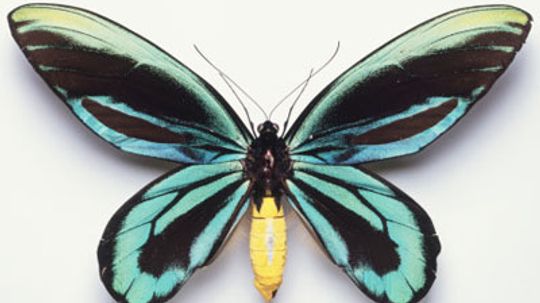
The brilliantly colored orange wings of a monarch butterfly are as recognizable as the plumes of a peacock. Why are butterfly colors some of the best and brightest in nature?
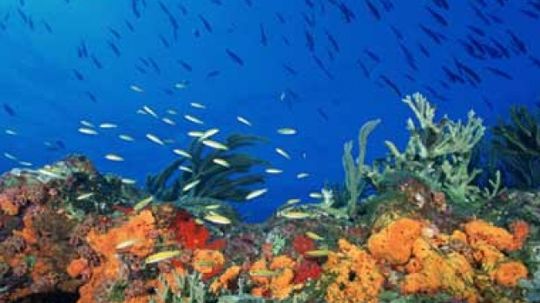
How do coral polyps mere millimeters in length form the world's largest living structures? Will these giants of the sea last much longer if the present rate of destruction continues?
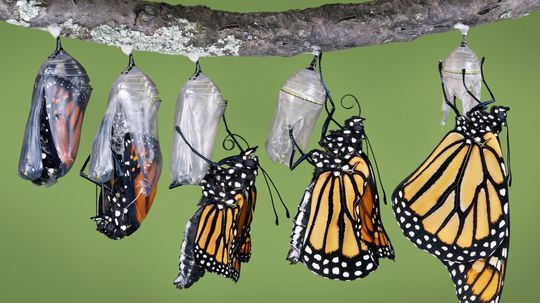
If you've seen a butterfly in your lifetime, you probably noticed their colorful wings, or saw one basking in the sunlight. But I bet you didn't realize that it would soon die. Why are their life spans so short, and are they nearly extinct?
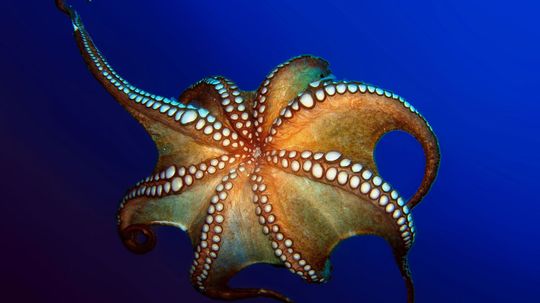
To elude predators, the octopus will change color in an instant and even alter its shape to look like other sea animals. Does its magic put the chameleon to shame?
Advertisement
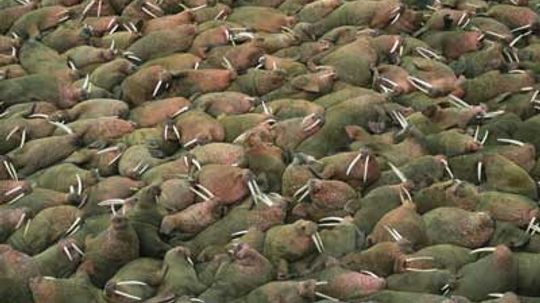
Each year, thousands of male Pacific walruses pack the beaches of Round Island off the coast of Alaska. Is there a reason for this months-long male bonding?
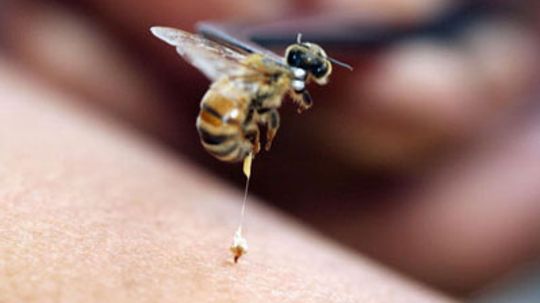
Wasps and bees are different, yes. But how can we distinguish? Here's a hint: The bee's the one near the flowers. The wasp's the one buzzing around your turkey sandwich.
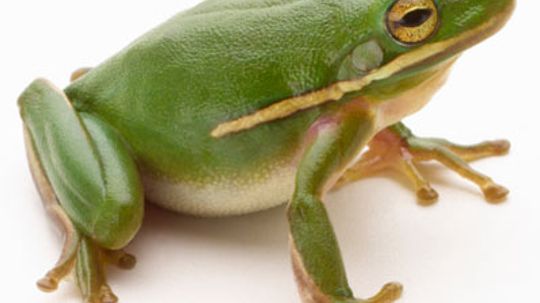
Frogs have been around for about 200 million years. In that time, they've adapted to their changing surroundings to ensure their survival. How have they changed, and what's the difference between frogs and toads, anyway?
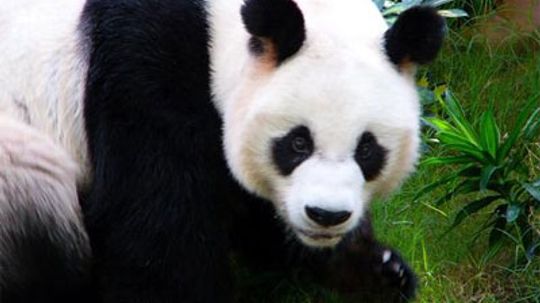
Since 1990, there have been only five panda cubs born in the United States. This may seem a little low. Getting pandas to mate in captivity is extremely difficult. Why is the birth rate for giant pandas so low? Find out the answer in this article.
Advertisement
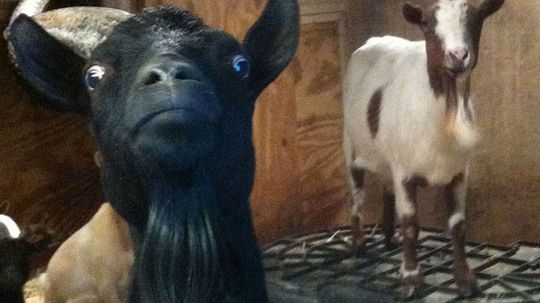
Fainting goats don't really faint -- their muscles tense up and they fall over when they get scared. But why would anyone want a fainting goat?
By Robert Lamb
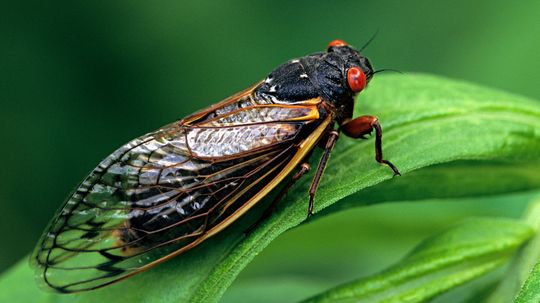
Cicada singing is often heard during the hot summer months. The distinctive high-pitched noise often fills the air. What's the purpose of that noise?
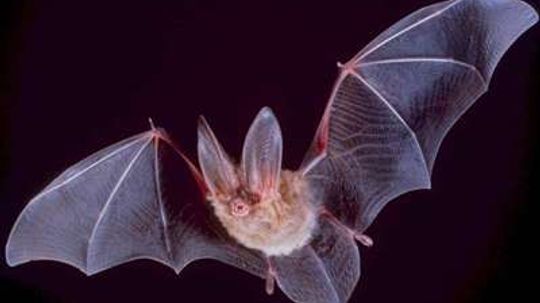
Contrary to popular belief, bats don't go around biting people and sucking blood. Bats got a bad reputation from the Dracula stories, but they actually prefer eating insects over blood. Find 13 incredible bat facts only at HowStuffWorks.
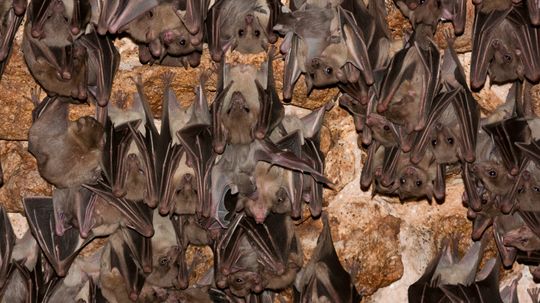
Bats are often found sleeping upside down during the day. They roost in secluded areas such as hollowed out trees and caves. Have you ever wondered why bats sleep upside down? Find out the answer to this question in this HowStuffWorks article.
Advertisement
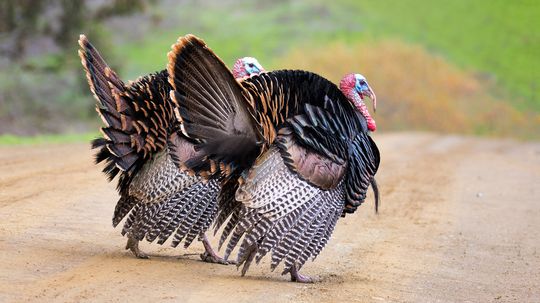
Some say that during a rainstorm, turkeys will stare up at the sky with their beaks hanging open, transfixed, until they drown. Is this really true?
Chiggers are tiny arachnids that are known for delivering bites that itch intensely. Find out how chiggers work and learn about the chigger reproduction cycle.