
Wild Animals
Whether they crawl, fly, swim, slither, walk, run or pounce, wild animals rely on their instincts. Read about all kinds of wild animals, mammals, birds, fish, insects, reptiles and amphibians.
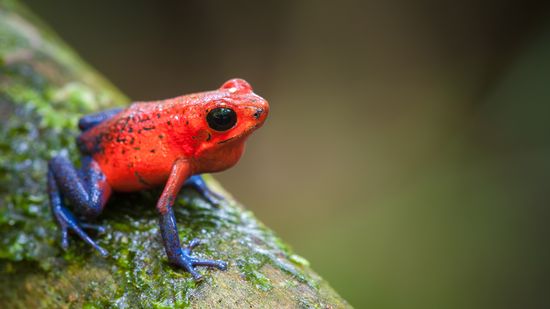
12 Colorful Frog Species: From Tie-dyed Designs to Rare Hues
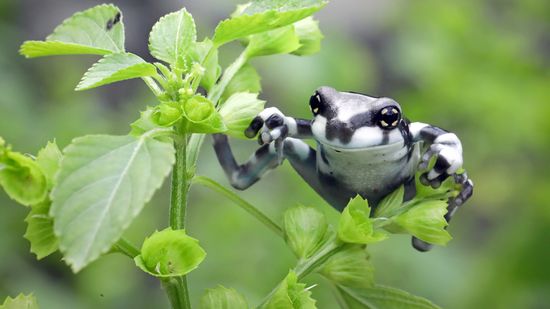
Amazon Milk Frog: Named for Its Defense, Not Its Color
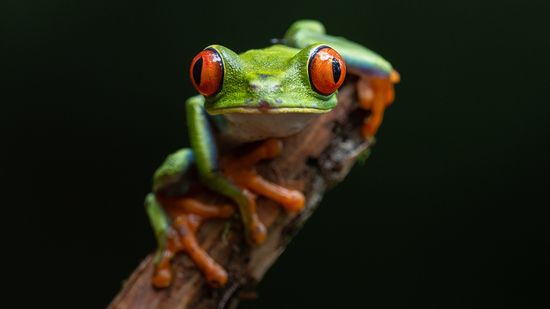
The Red-eyed Tree Frog Has Extremely Sensitive Skin
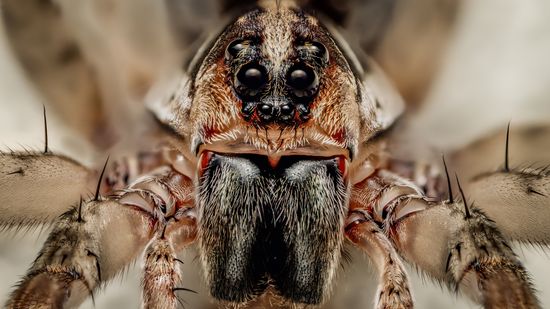
What Is a Group of Spiders Called? (Aside From Icky)
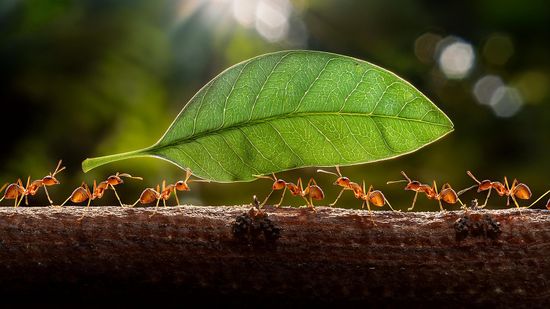
What Is a Group of Ants Called? Army vs. Colony vs. Swarm
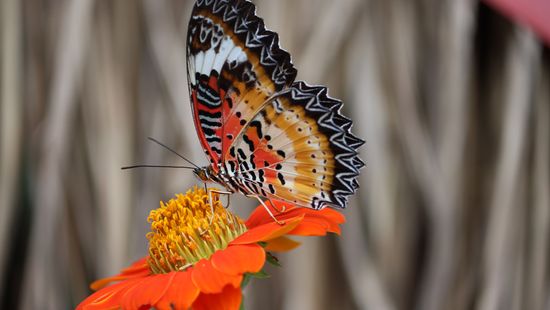
10 Red Butterfly Species Found From India to Florida to Europe
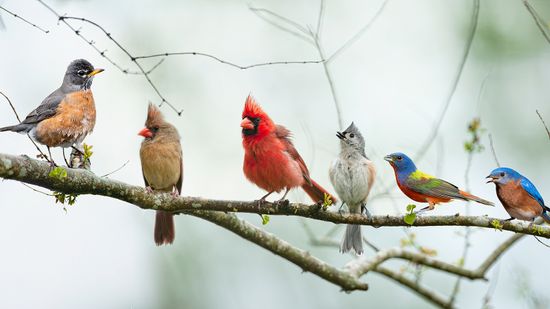
What Is a Group of Robins Called? Hope You're Not Expecting to Be Dazzled
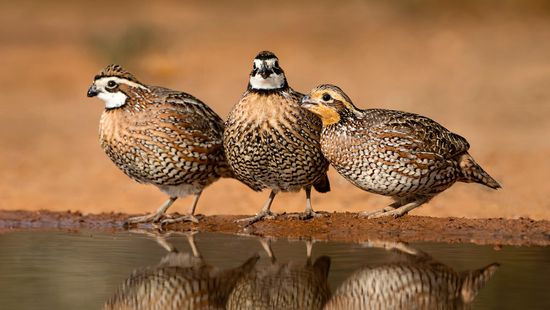
What Is a Group of Quail Called? Why You Should Give a Flock

What Is a Group of Hawks Called? It's About the Shape They Take in Flight
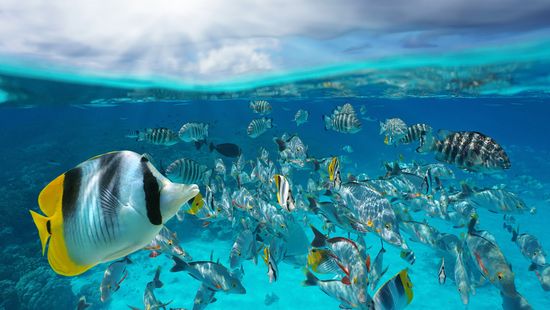
What Is a Group of Fish Called? Not Always a School
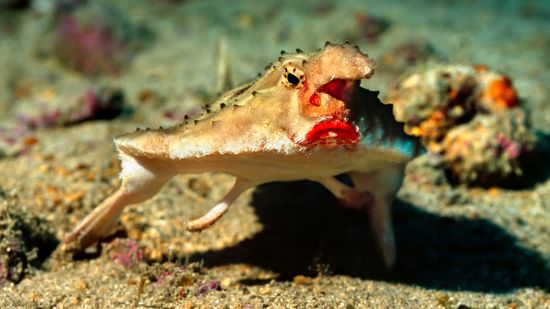
10 Weirdest Fish in the World: Batfish, Hairy Frogfish, and More
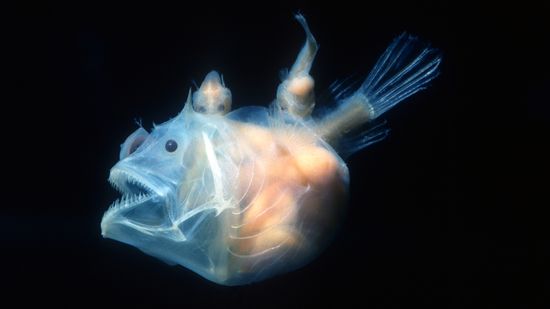
10 Scariest Fish Lurking in Rivers, Deep Ocean Waters, and Shells
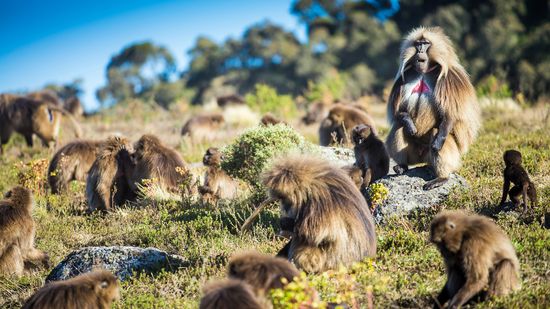
What Is a Group of Baboons Called, a Congress or a Troop?
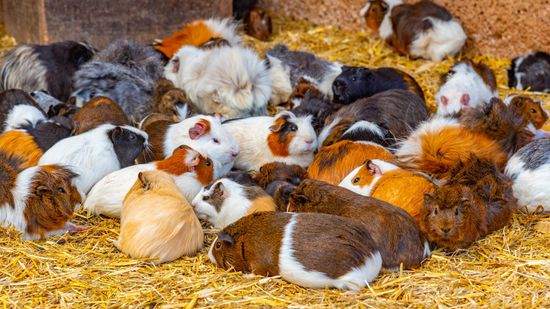
What Is a Group of Guinea Pigs Called? It's Bigger Than You'd Expect
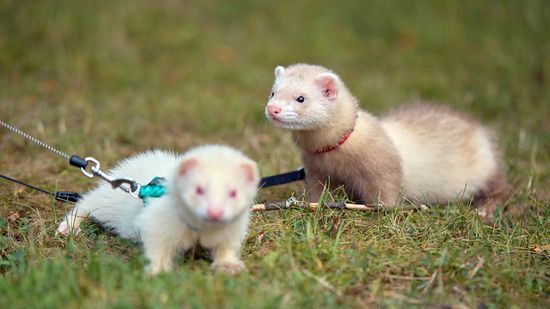
What Group of Animals Is Called a Business?
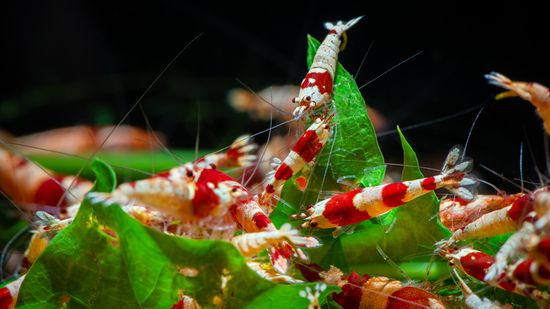
What Is a Group of Shrimp Called? (Hint: You'd Use the Term for Bugs)
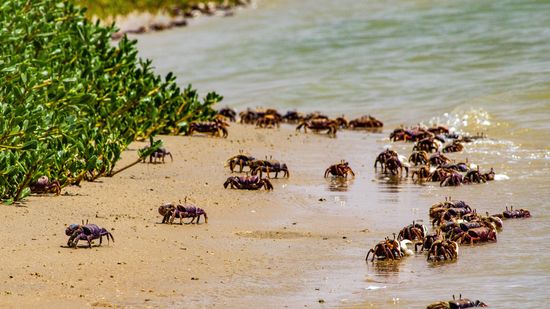
What Is a Group of Crabs Called? A Scuttle, a Clamor, a Cast?
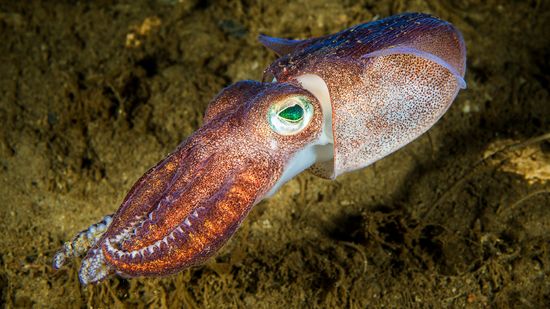
What Is a Group of Squid Called? Not a Squad, Unfortunately
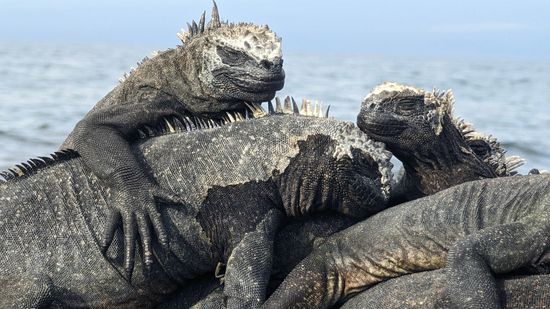
What Is a Group of Lizards Called? Not a Colony or a Pile but a...
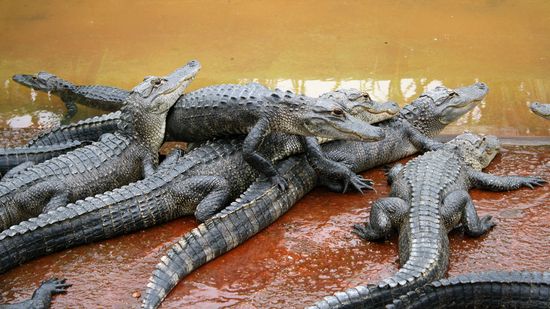
What Is a Group of Alligators Called? It Sounds Surprisingly Formal
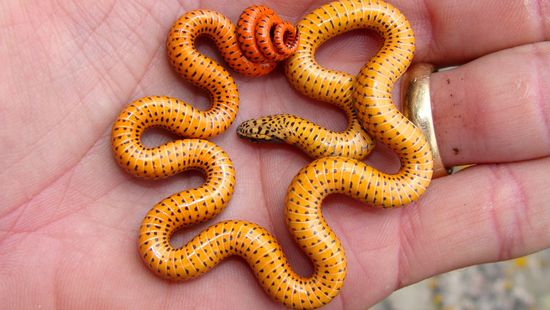
10 Cutest Snake Species That Have Us Squeeing
Learn More / Page 42
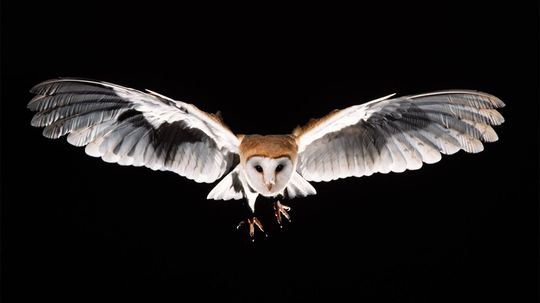
It can be scary to have an owl fly in front of you without it making a sound. Find out if this phenomenon is a supernatural power or something as simple as the hip bone being connected to the tail bone.
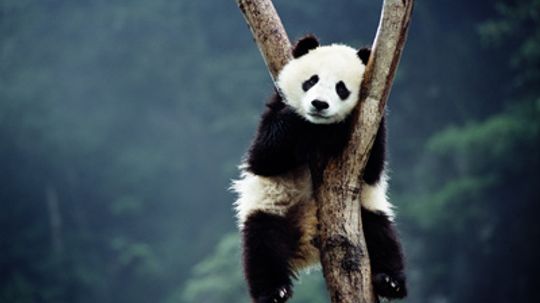
They call the creature a bear. And bears are known to hibernate each winter. So why don't pandas slip into the same cold-weather stupor? Are they really even bears at all?
By Jane McGrath
Dolphins and war? That seems like an unfortunate pairing. But the U.S. Navy has been training the gregarious sea creatures to spot sea mines since the 1960s. Are they good at it?
By Jane McGrath
Advertisement
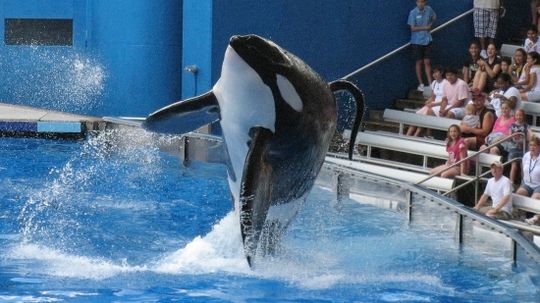
Some people call orcas the wolves of the sea, yet others want to swim with them. Why are these animals known as killers -- or are they just getting a bad rap?
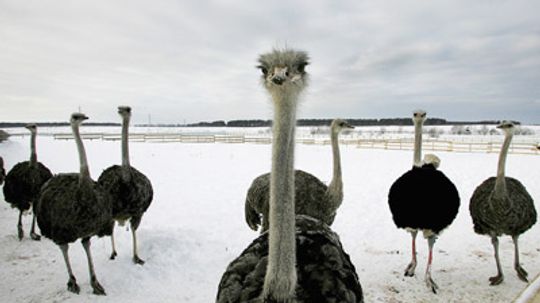
While the ostrich might look like an avian punch line, it's actually a nutritious source of red meat. Why do ostriches produce meat that's more like that of a cow than a chicken?
By Julia Layton
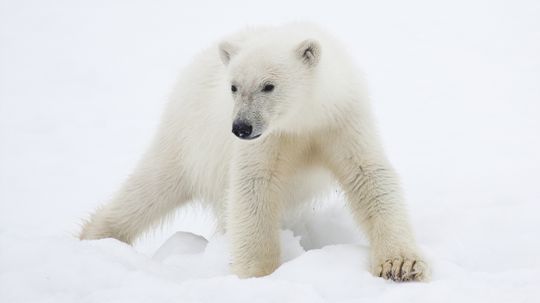
If your favorite diner's blue plate special is ever sauteed polar bear liver, you may want to stick with salad. This meal can cause symptoms far beyond indigestion.
By Robert Lamb
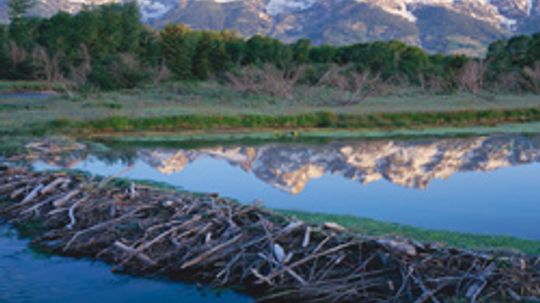
Environmentalists agree that beaver dams help the environment by creating wetlands but why are some landowners and farm owners getting riled up? How could these dams be hazardous to roads, bridges and levees?
Advertisement
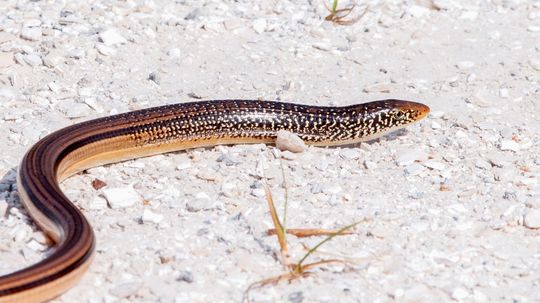
That slithery, snakelike form that just darted past might not be a snake after all. It could be legless lizard, an animal that evolved from an entirely different line.
By Julia Layton & Zach Taras
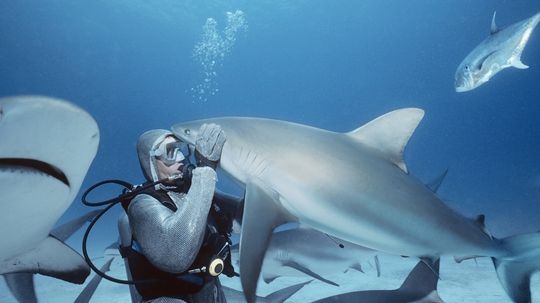
A shark is coming at you. It opens its mouth wide, baring teeth. Will you be able to reach around and poke it in the eyes without losing an arm?
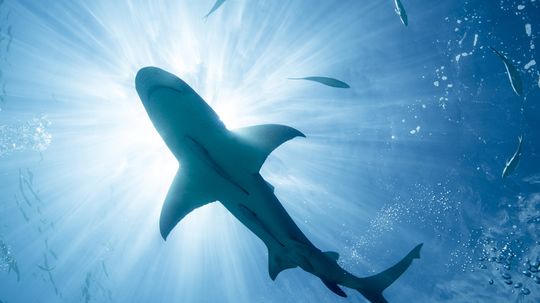
Sharks scare us to death. What scares them? Magnets. Researchers have tossed magnets in the water and watched the sharks dart away. But what could be so repugnant about a magnet?

It's scary enough to imagine a shark's toothy jaw snapping at your half-submerged body in the ocean. But the actual impact of its massive mouth clamping down? Surprisingly wimpy.
By Josh Clark
Advertisement

If your ears picked up on a 40-hertz signal, you might wonder what the annoying sound was all about. But if you're a shark and you hear this "yummy hum," it might mean it's dinner time.
By Josh Clark
Scuba divers, leave your bling at home. Don't wear yellow when you swim in the ocean. We hear all sorts of advice designed to keep sharks at bay. But is it legit?
By Josh Clark
Perhaps you prefer a nice filet mignon with a red wine reduction, but according to one source, dogs are a shark's favorite meal. Where do they find pups in the deep?
By Josh Clark
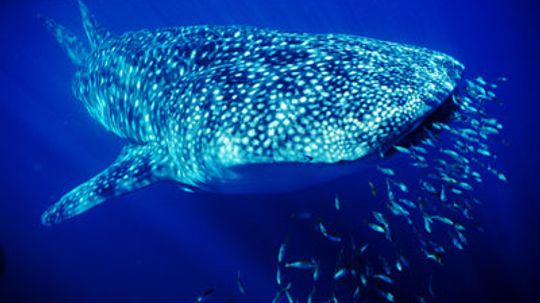
The biggest shark in the world is longer than a school bus. But taking people to sea to swim with these giants has become a big industry.
Advertisement
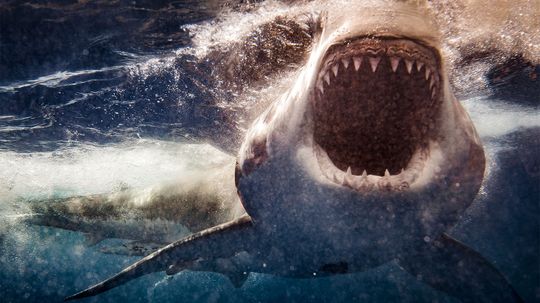
You've heard the stat. You're more likely to be struck by lightning than be attacked by a shark. Still, wouldn't it be nice to know that your next aquatic destination doesn't fall on this list?
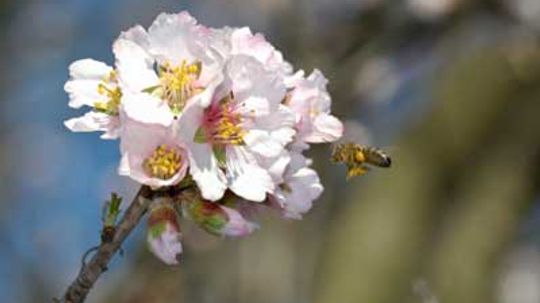
Wonder what would happen if everyone you knew disappeared? Don't call the authorities yet. A mysterious condition called Colony Collapse Disorder affects beehives, causing some bee populations to vanish and possibly die.
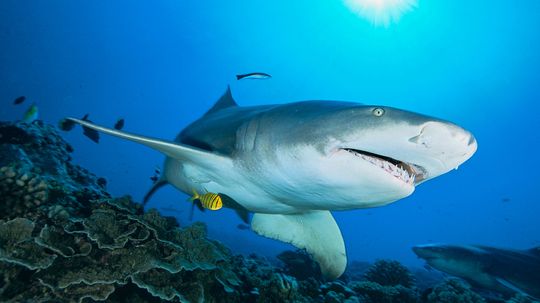
Even the most maniacally energetic people can appreciate crashing on the couch occasionally. Can sharks take the same break without dying?
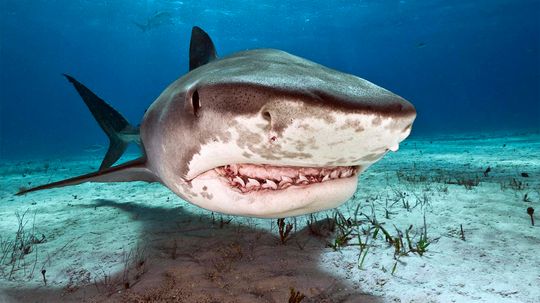
Sharks have a bad reputation, but is it warranted? Maybe for these 10, which are considered the most dangerous of all.
Advertisement
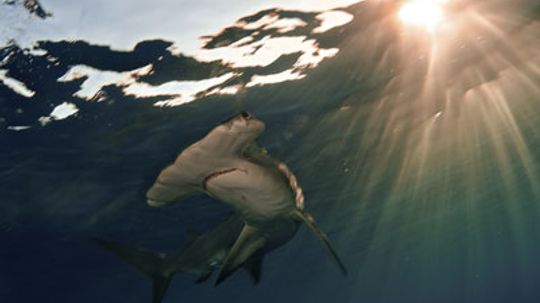
Hammerheads have itty-bitty mouths, a tall dorsal fin and an impressively odd noggin. Why do these creatures of the deep look so strange?
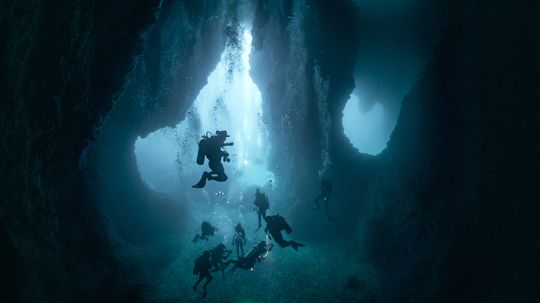
The good news is, you're not likely to meet with one of these creatures on your next beach vacation. If you did, it wouldn't be a pretty sight.
By Cristen Conger & Ada Tseng
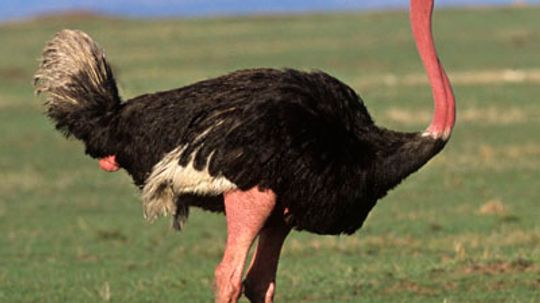
A large, flightless bird that lives in the dry grasslands of Africa, the ostrich is raised for its feathers and skin in South Africa, Egypt and California. Ostriches form the single remaining species in an ancient, primitive order of birds.
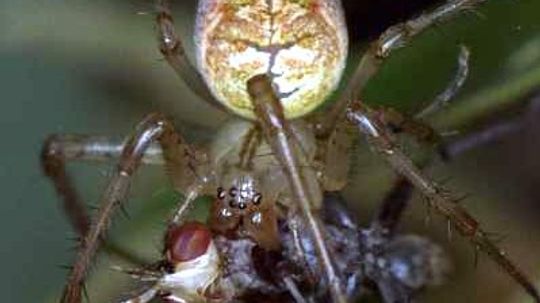
Studies have shown that you're never more than ten feet away from a spider is and one estimate puts you as close as three feet. Check out some more spider facts.
Advertisement
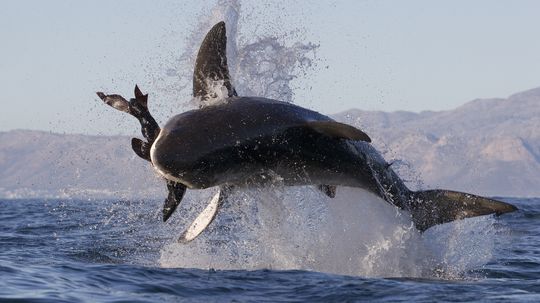
They range in size from 8 inches to 60 feet, so obviously their food preferences will differ. Sometimes what seems like a good meal, isn't, so they spit it out. That includes humans.
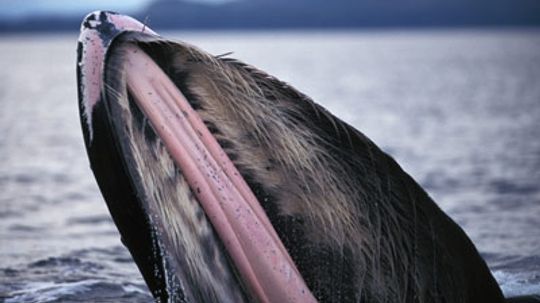
Bushy mustaches like the ones that Magnum P.I. or Super Mario sport are a bold fashion statement. But for baleen whales, they never go out of style.