
Marine Mammals
Aquatic mammals such as whales and dolphins live and feed in the ocean. The Blue Whale is the biggest mammal on Earth.
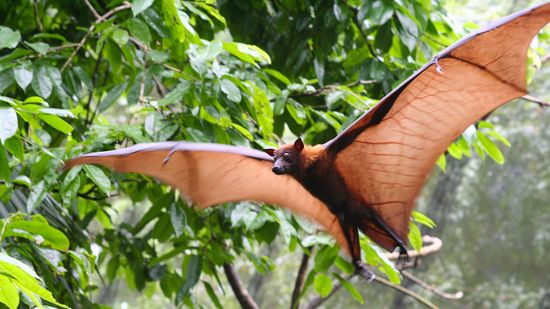
The Largest Bat in the World Has a Wingspan Over 5 Feet
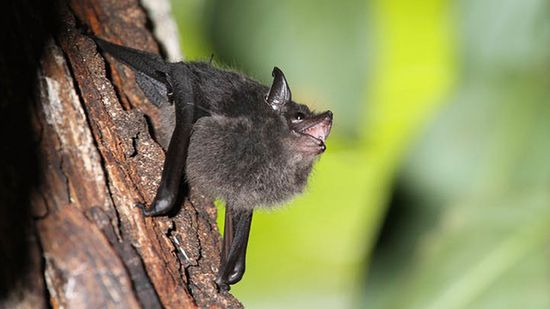
Baby Bats Babble With Moms, Hinting at Human Language Development
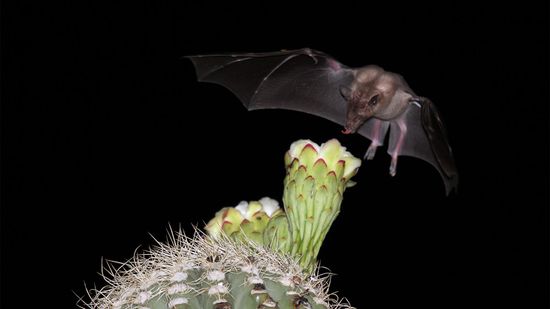
Fruit Bats Are the Best Pollinators (and Suppliers of Tequila)
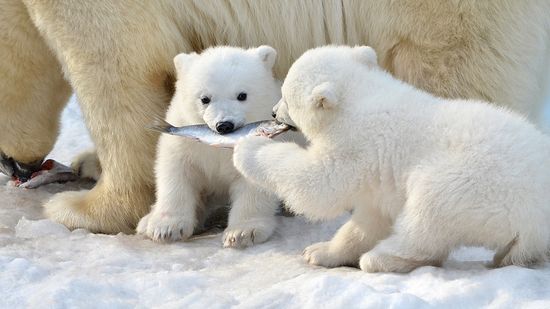
What Is a Group of Polar Bears Called? Sounds Sneaky
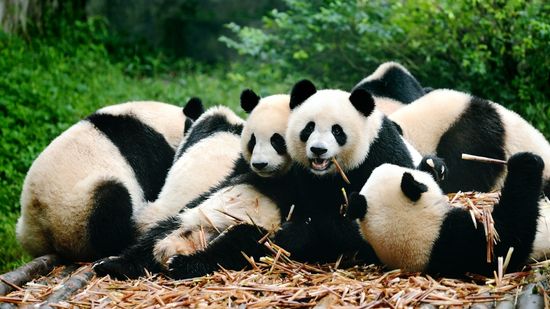
What Is a Group of Pandas Called? We're Blushing

What Do Pandas Eat (Other Than Bamboo)?
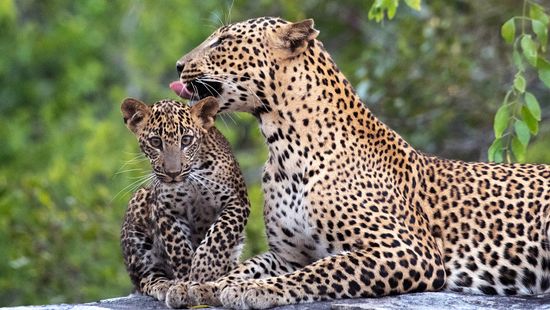
What Is a Group of Leopards Called? Hint: It's Related to Their Behavior
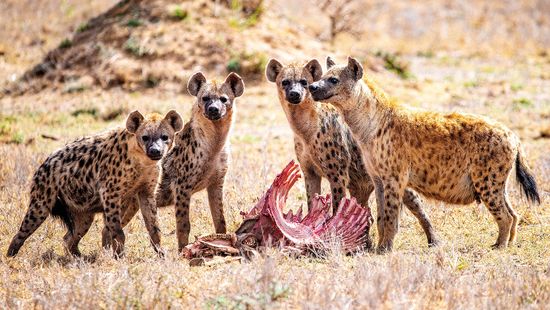
What Is a Group of Hyenas Called? Not a Pack or a Herd but a...
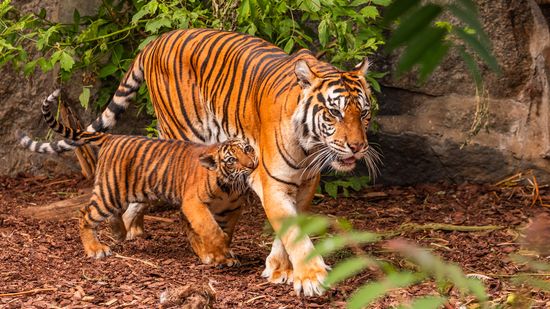
What's the Country With the Most Wild Tigers?
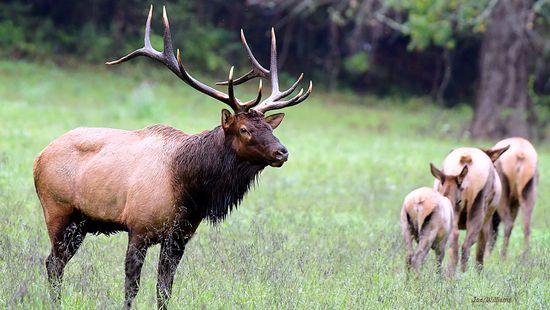
What Is a Group of Elk Called? Not Always a Gang
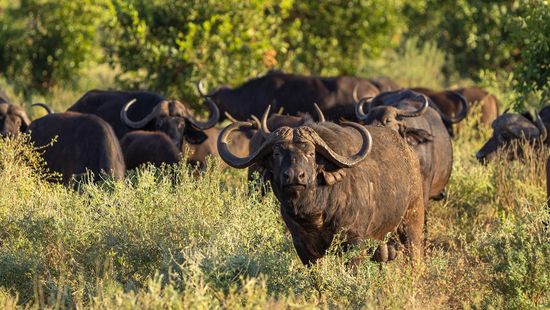
What Is a Group of Buffalo Called? Hint: It Also Applies to Bison
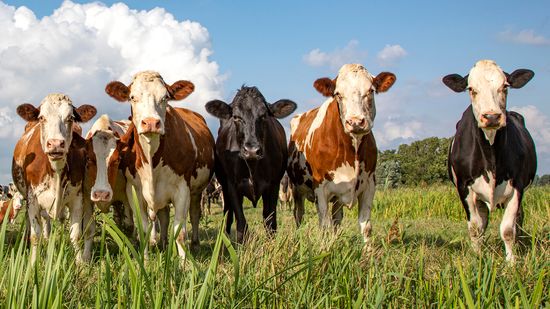
What Is a Group of Cows Called? Not Always a Herd
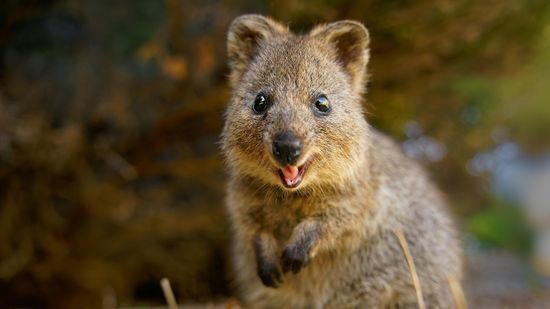
The Happiest Animal on Earth Is the Quokka
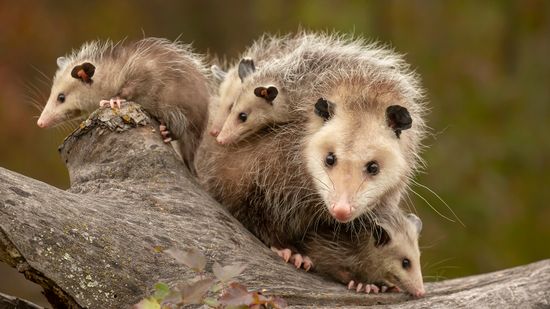
What Do Possums Eat? Most Things, It Turns Out
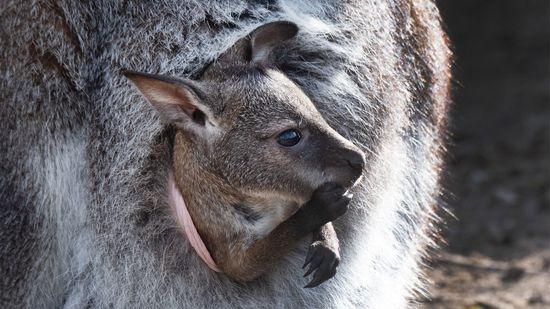
What's It Like Inside a Kangaroo's Pouch?
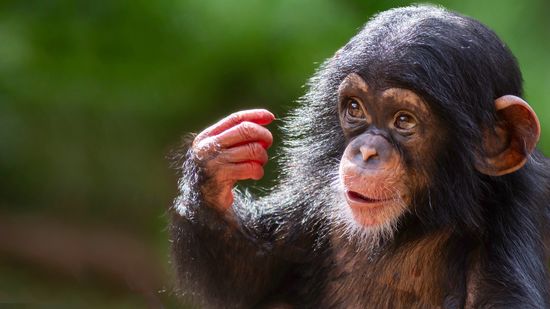
What Is a Group of Apes Called? Not a Troop but a...
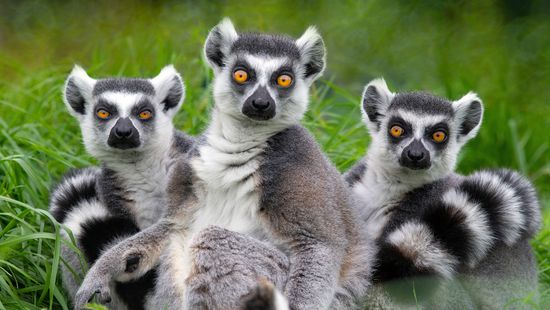
What Is a Group of Lemurs Called? Sounds Highly Suspicious
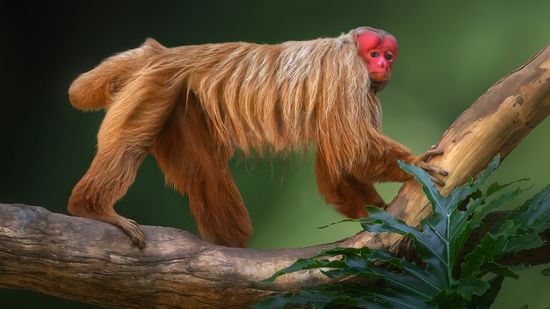
10 'Ugliest' Monkey Species: Unconventional Beauty in Primates
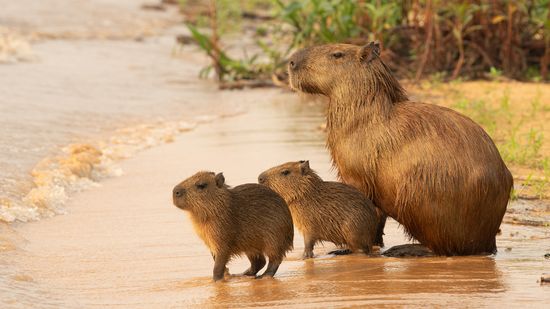
What Is a Group of Capybaras Called? Reminiscent of Cattle
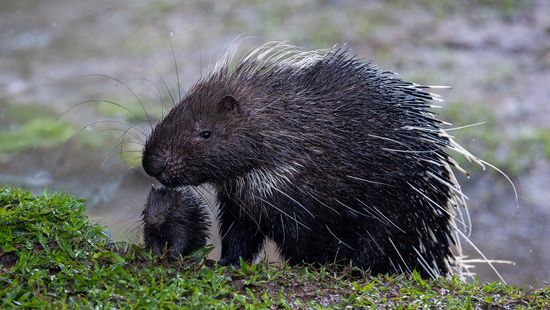
What Is a Group of Porcupines Called? Exactly What It Looks Like
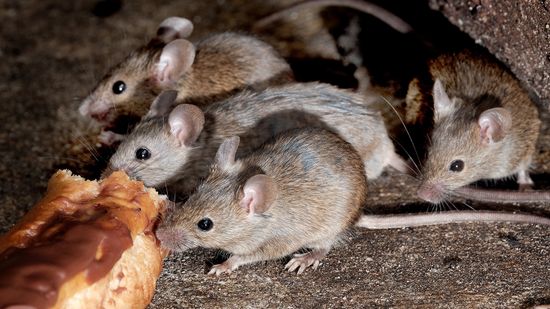
What Is a Group of Mice Called? Not Always a Colony
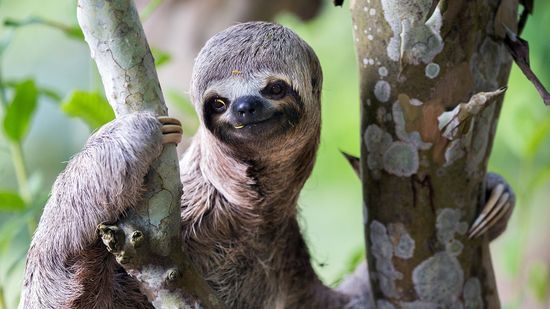
What Is a Group of Sloths Called? It's About as Cuddly As They Are
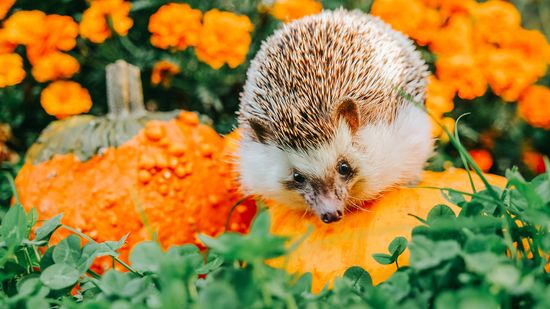
What Is a Group of Hedgehogs Called? It's Adorably Appropriate
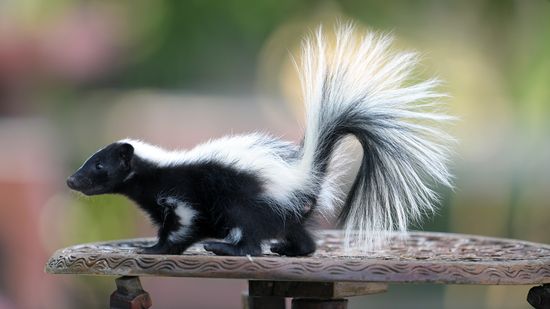
What Is a Group of Skunks Called? Here's Why You've Never Asked Before
Learn More
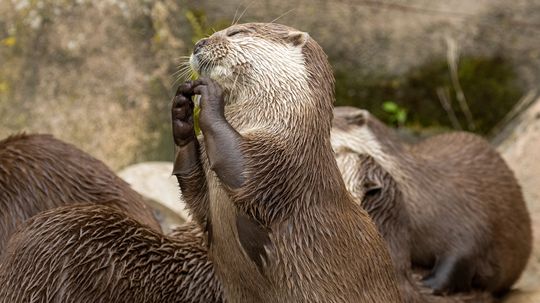
Otters are found on every continent except Australia and Antarctica, sliding down muddy banks, cracking shellfish and floating on their backs. People often ask, "What is a group of otters called," because these animals spend so much time together.
By Nico Avelle
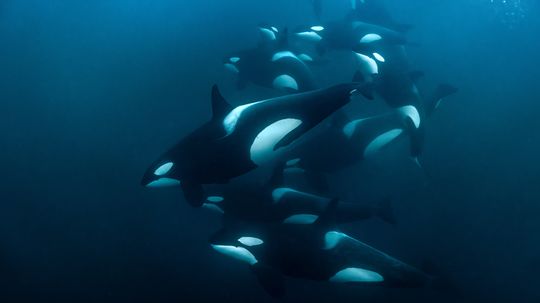
You’ve probably seen them in documentaries or breaching the surface near Vancouver Island.
By Nico Avelle
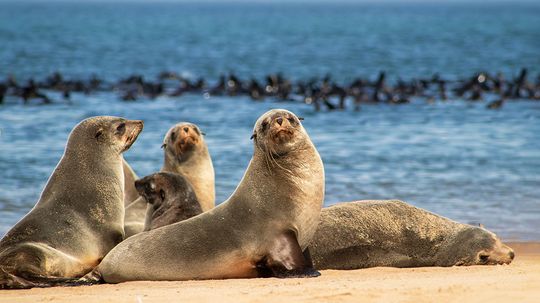
Ever see a bunch of seals lounging on the beach and wonder what to call them? Good news: You're not alone. By asking, "What is a group of seals called", you've walked into a long tradition of humans naming animal collectives in colorful ways.
By Nico Avelle
Advertisement
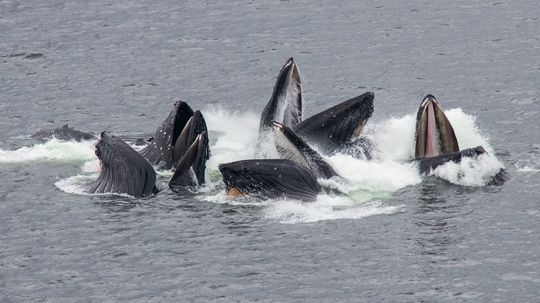
You’ve probably heard the term before, but what is a group of whales called? It’s not just trivia night bait; it says a lot about whale behavior. The word we use tells us how these massive marine mammals operate beneath the waves.
By Nico Avelle
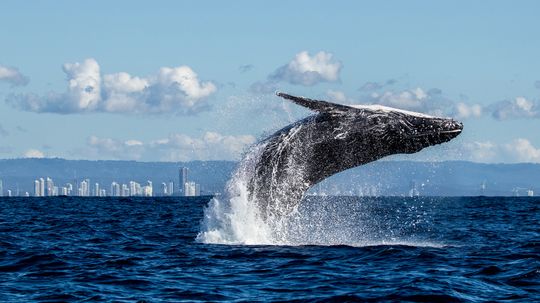
If you’ve ever watched whales surfacing with a dramatic blow from their blowholes, you’ve probably wondered: How often do whales come up for air?
By Nico Avelle
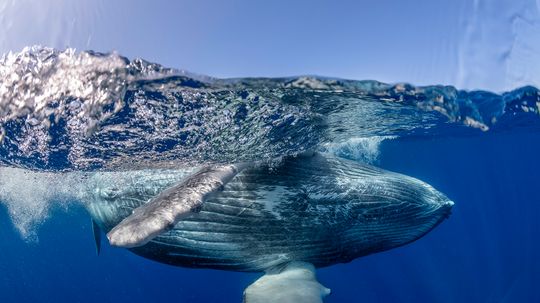
It’s a question that puzzles many ocean lovers: How do whales sleep without drowning? Unlike us, whales are voluntary breathers, meaning they have to consciously come up for their next breath. That makes their sleeping habits pretty unique among marine mammals.
By Nico Avelle
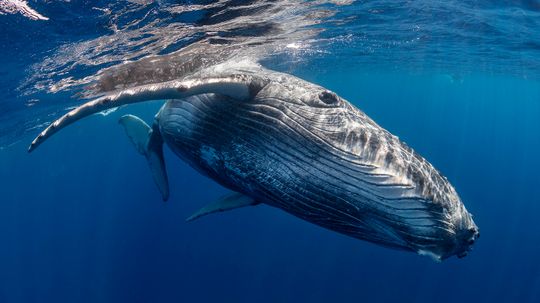
If you've ever wondered, "Are whales mammals?" the answer is a resounding yes. Despite their fish-like appearance, whales belong to the order Cetacea and share many features with other mammals. From breathing air to nursing their young, these marine giants check every mammalian box.
By Nico Avelle
Advertisement
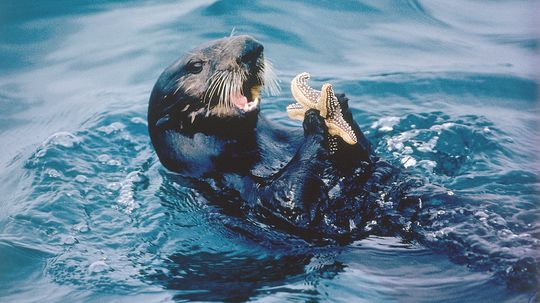
You might think that all aquatic otters must be the same. But did you know that there are major river otter vs. sea otter differences?
By Ada Tseng
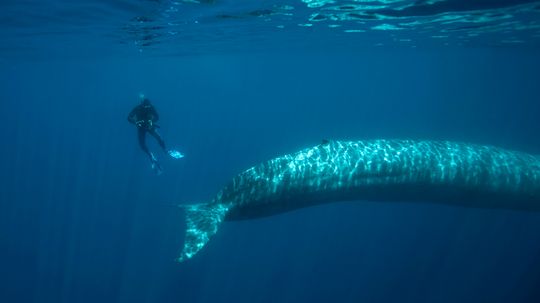
One of the most unique about whales is that they're the largest animals to ever exist on Earth — even bigger than the largest dinosaurs to have ever roamed the planet. That's right: The biggest whale of today dwarfs the T. rex.
By Ada Tseng
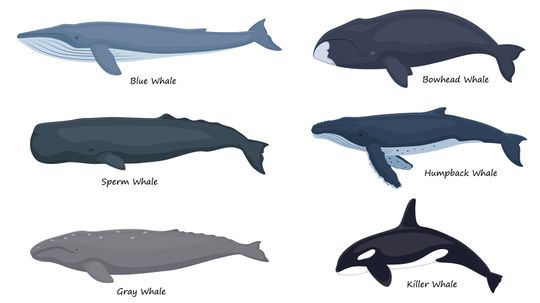
The bowhead whale (Balaena mysticetus) is found in the icy waters of the Arctic. These are the longest-living mammals; some bowhead whales live for over 200 years. That's older than many countries' independence!
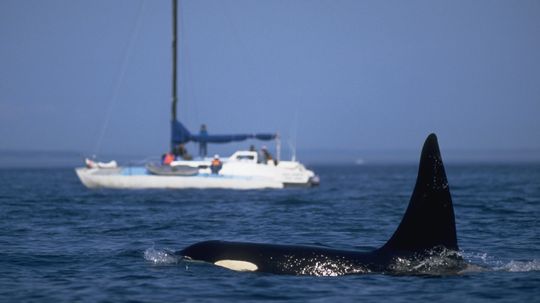
For the past few years, orcas attacking boats have been making headlines, most recently off the coasts of Spain in the Atlantic Ocean. These incidents, involving a group of orcas known as the Iberian orcas, have been occurring since 2020.
Advertisement
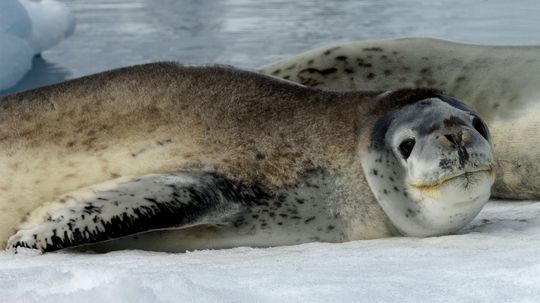
Leopard seals are the second largest species of seal in the Antarctic after the southern elephant seal. They're fast, powerful and eat basically anything that moves. Their only natural predator? The killer whale.
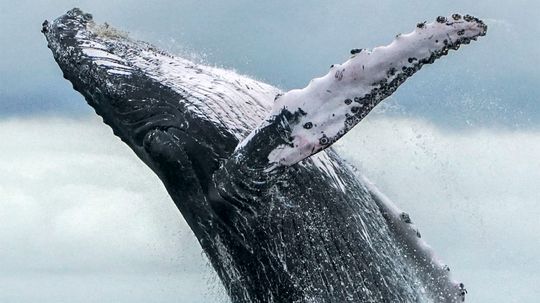
Humpback whales can be as long as a city bus and weigh as much as two. They love to breach and water slap with their fins and tails, making them a perennial favorite for whale watchers.
By Katie Carman
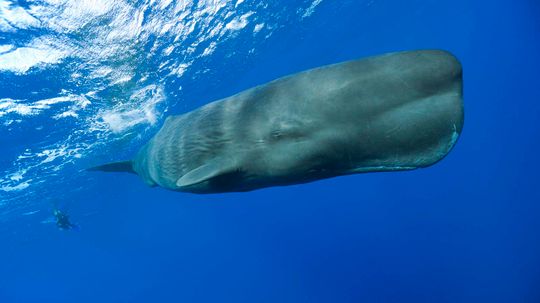
Sperm whales are one of the largest creatures in the ocean. And they have the biggest brain on the planet. So are they also the smartest? We'll tell you.
By Wendy Bowman
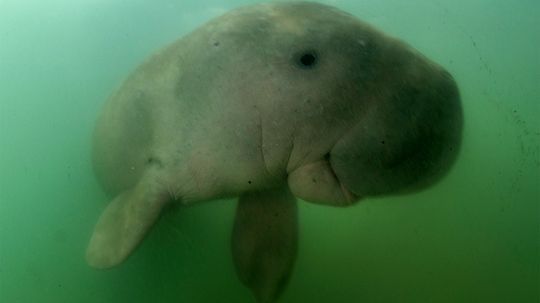
Their mamas may be the only ones who can tell them apart, but there are major differences between these cousins, one being the type of water in which they can survive.
Advertisement
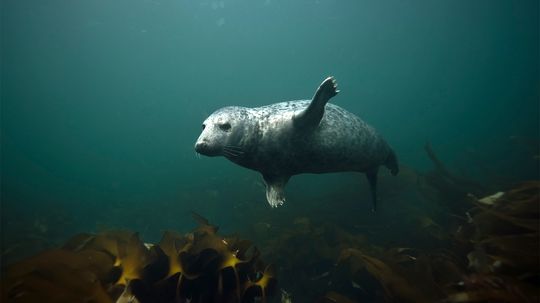
Seals have long been known as dry-land clappers, but the first-ever percussive clapping observed by scientists has blown seal clapping theory out of the water. Or should we say under the water?
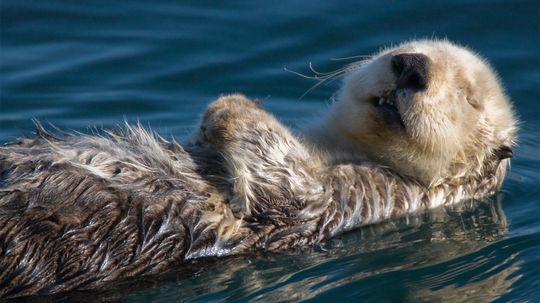
Sea otters are adorable, back from the brink of extinction and will totally bite you.
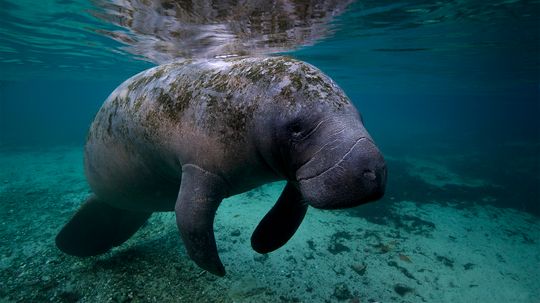
Manatees are so gentle and sweet they'll break your heart, but in 2021, there have been more manatee deaths than in any year in previously recorded history. Why are these gentle giants dying in such unprecedented numbers?
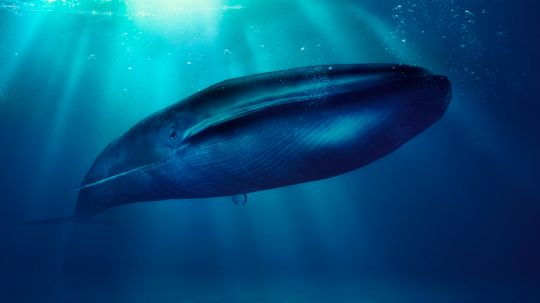
It is the largest animal ever to exist on the planet.
Advertisement
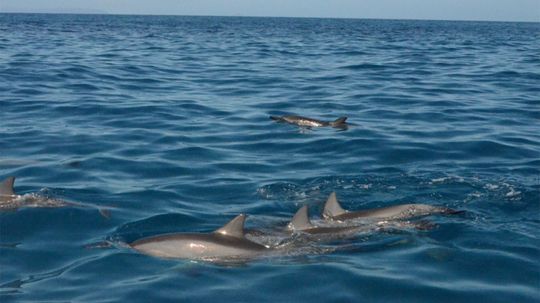
A dolphin doesn't breathe automatically, so during sleep, one side of its brain stays awake to ensure the mammal rises to the surface and breathes.
By Loraine Fick
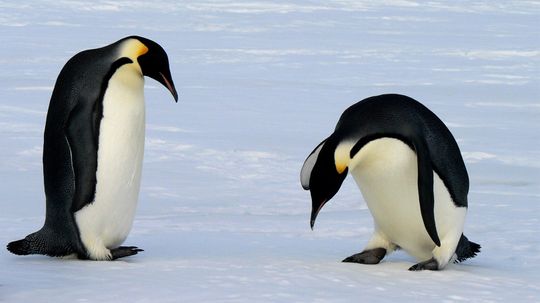
Penguins stand for months on the coldest ice in the world without their feet freezing, thanks to special blood circulation.
By Loraine Fick
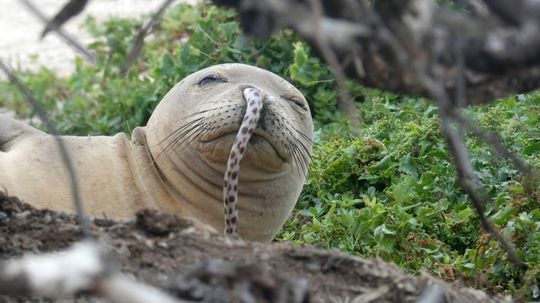
It looks excruciating, and nobody knows exactly why it happens.
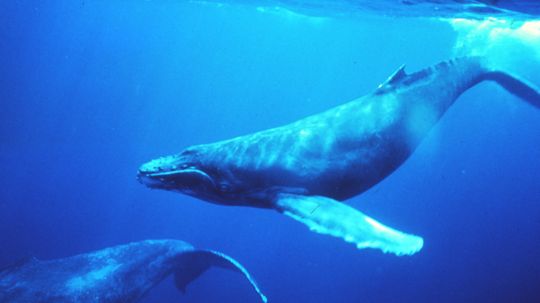
Do humpback whales get tired of singing the same old song, or do they simply start over when it gets too complicated?
Advertisement
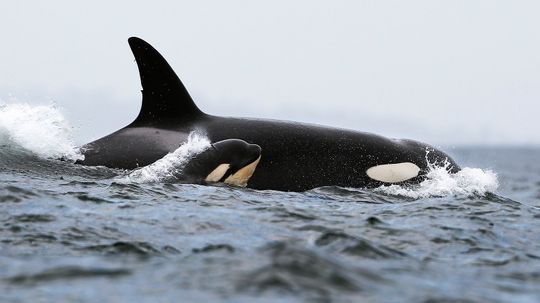
A new study paints a grave future for the killer whale, all because of the now-banned chemicals polychlopinated biphenyls - PCBs.
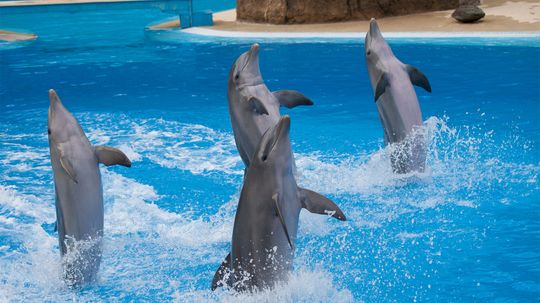
A dolphin named Billie learned a dolphin-show trick from some captive dolphins, taught her wild friends how to do it and started a fad.